
Cortisol Over Time Hair Strand Test
Chapters Therapy have teamed up with a lab to offer cortisol testing for clients experiencing physical debilitating health symptoms that they are having trouble identifying via their GP.
The ground breaking Cortisol Over Time (COT) is a cortisol stress test that measures your levels over the past 3-months.
This test can be used to measure adrenal performance and get a clear picture of how chronic stress may be impacting your health and future risk of illness.
What to know
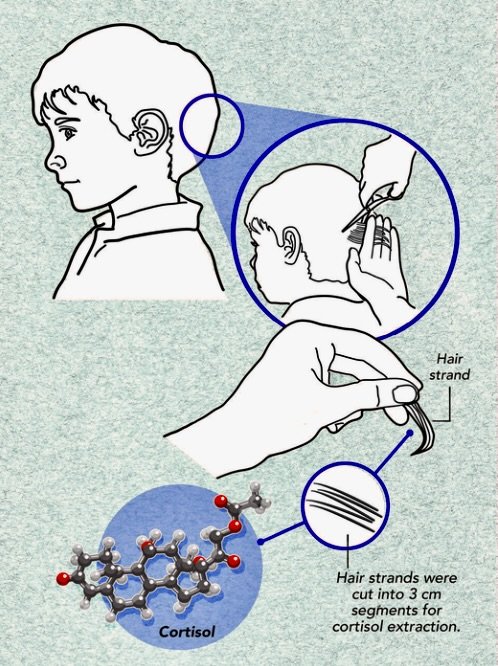
A hair sample is used for this cortisol stress test because unlike blood, saliva and urine tests, offered via your GP, which measure short-term cortisol levels, this stress hormone cortisol test measures your levels over the past 3-months.
You will need to provide a hair sample that is a minimum 1cm in length.
Signs and symptoms of chronic stress
Chronic stress refers to long-term stress that typically lasts several months or even years for some people. If you have been experiencing chronic stress then you may have some of the following signs and symptoms.
Chronic fatigue
Low Mood
Recurrent Illness
Headaches
Depression
Brain fog
Anxiety
Excess fat ‘cortisol belly’
Low energy
Puffy rounded face
Recurrent illness
Skin problems
Difficulty conceiving
Memory problems
Weight loss and decreased appetite
Difficulty sleeping
Nausea, diarrhoea or vomiting
Muscle or joint pains
Irregular periods
Sexual dysfunction
How can this aid therapy?
Cortisol testing is not for everybody, but if you have unexplained health symptoms after assessment by your GP it can offer additional insight beyond the standard medical model. When assessment suggests stress is contributing to your symptoms, testing can help confirm whether dysregulated cortisol (the stress hormone) is present. That information aids us in pinpointing cognitive patterns and behavioural responses that trigger unnecessary cortisol production, and then work together to develop new understandings and practical strategies to change those patterns.
Working from both the physiological information (cortisol results) and psychological processes allows a more integrated approach: we can target thought habits, coping behaviours, and routines that maintain stress responses, and replace them with alternatives that reduce chronic activation. For some people this deeper layer of understanding clarifies why symptoms persist and makes therapeutic interventions more effective, leading to meaningful, lasting change. Cortisol testing isn’t required for every case, but when appropriate it can be a useful tool in forming a tailored plan for recovery.
Please feel free to ask for this additional service if you think it will be useful for you, we will be happy to go into more detail and pricing information.